Welcome To Our Official Website, And We Will Provide You With Excellent Service.

The Truth About AI in Fashion Startups: Advantage or Hype?

In the era of generative artificial intelligence, creating an AI-driven startup seems easier than ever. From stylish digital mood boards to AI-generated futuristic outfits, more and more aspiring entrepreneurs are using AI tools to visualize their dreams—often before they truly understand the realities of the AI industry.
But is relying solely on AI-generated designs a smart shortcut or a risky leap when launching a fashion brand? Let’s take a closer look at the advantages and disadvantages:
Advantages: Speed, Inspiration, and Democratization
Faster Prototyping:
AI allows users to generate dozens of ideas within minutes, helping new founders explore themes and aesthetics more efficiently.
Creative Empowerment:
Even without a design background, users can experiment with silhouettes, textures, and styles, empowering those who previously felt disconnected from the fashion world.
Lower Initial Costs:
Compared to hiring a professional designer, AI tools are more affordable and scalable.

Disadvantages: Focusing on Aesthetics While Overlooking Execution
Lack of Technical Feasibility:
Most AI-generated images cannot be directly produced. They often lack technical details and manufacturable structure. This means that while AI offers abundant inspiration, transforming designs into real products still requires professional expertise.
Insufficient Industry Insight:
AI may mimic fashion trends, but it cannot replace deep knowledge of industry operations, supply chain management, marketing, and consumer behavior. Without these essentials, even the most creative designs may struggle in the real market.
Challenges in Brand Building:
In fashion, storytelling and emotional connection are vital. Although AI can create eye-catching images, building a compelling brand narrative and cultivating loyal customers requires human creativity and cultural understanding.
Legal and Ethical Concerns:
As AI becomes more common in fashion design, issues of intellectual property and originality grow more complicated. AI-generated designs may unintentionally replicate existing works, raising copyright risks. In addition, biases within AI training datasets can lead to cultural appropriation or insensitive designs—pitfalls emerging brands must avoid.
Impact on Human Resources:
While AI lowers the barrier to entry, it also sparks concerns about the future of creative jobs. If AI design tools become too widespread, designers, pattern makers, and other professionals may face reduced job opportunities. This could lead not only to individual career challenges but also to a loss of valuable industry skills and craftsmanship.

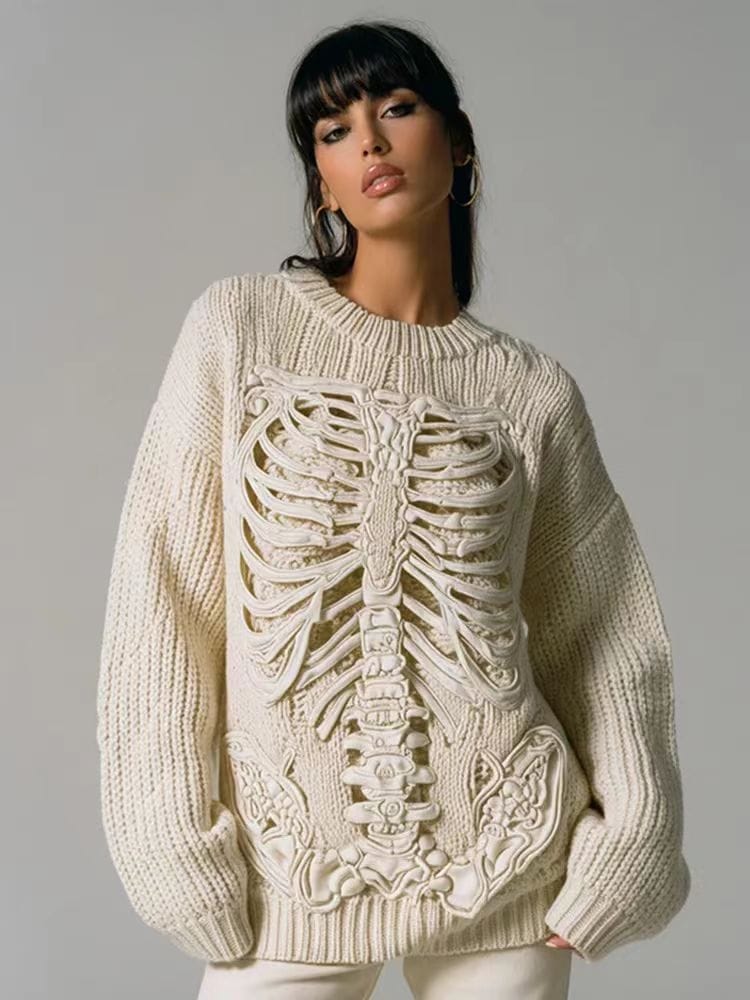

In conclusion, AI offers unprecedented opportunities for launching a fashion brand—but it also brings significant challenges. For entrepreneurs hoping to use AI to begin their fashion journey, the key lies in balancing technological potential with human expertise.
How useful was this post?
Click on a star to rate it!
Average rating 0 / 5. Vote count: 0
No votes so far! Be the first to rate this post.
-768x392.png)
-9-768x387.png)