Welcome To Our Official Website, And We Will Provide You With Excellent Service.

The Evolution of Ancient Chinese Attire: Secrets of a Civilization

Ancient Chinese Attire: Evolution, History & Cultural Impact
Among food, clothing, shelter and transportation, clothing comes first. Since the dawn of human civilization, clothing has existed. Primitive people used animal skins as cloth and animal bones as needles to sew the earliest protective tool — animal skin clothing. Its initial function was merely to protect the body, yet it already demonstrated great importance.
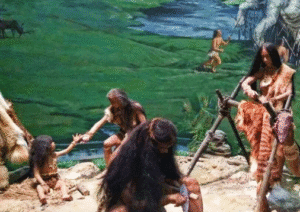
Later, stone and pottery spinning wheels emerged, indicating that humans had learned to spin thread from plant fibers and weave it into cloth and silk.
Hence, states: “In ancient times, the former kings had no palaces or residences. In winter, they lived in caves. They did not know how to make fire for cooking, so they ate the fruits of plants, the meat of birds and beasts, drank their blood, and ate their fur.
They had no hemp or silk, so they wore feathers and skins… Later, sages arose, processed hemp and silk, and made cloth and silk.”
Hence, states: “In ancient times, the former kings had no palaces or residences. In winter, they lived in caves. They did not know how to make fire for cooking, so they ate the fruits of plants, the meat of birds and beasts, drank their blood, and ate their fur.
They had no hemp or silk, so they wore feathers and skins… Later, sages arose, processed hemp and silk, and made cloth and silk.”
With the development of humanity, people’s requirements and aesthetic standards for clothing gradually improved.
Religious beliefs, born from the worship of nature, were also reflected in the clothing system. records: “Huang Di, Yao, and Shun hung their upper and lower garments and governed the world, drawing inspiration from heaven and earth.”
Formal attire for different occasions such as sacrifices, weddings, funerals, and court assemblies was further differentiated, and such a clothing system has continued to this day.
Religious beliefs, born from the worship of nature, were also reflected in the clothing system. records: “Huang Di, Yao, and Shun hung their upper and lower garments and governed the world, drawing inspiration from heaven and earth.”
Formal attire for different occasions such as sacrifices, weddings, funerals, and court assemblies was further differentiated, and such a clothing system has continued to this day.
In the Shang Dynasty, social productivity improved and agriculture matured. Historical records reveal the luxury of slave owners due to the class system in slave society, and their clothing was also extremely exquisite and sophisticated.
This shows that clothing has been a symbol of status in human civilization since ancient times.
This shows that clothing has been a symbol of status in human civilization since ancient times.
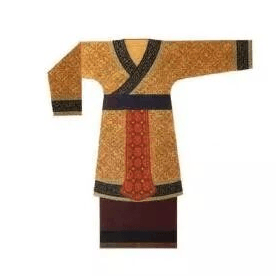
There are relatively more literary records about clothing in the Zhou Dynasty, and our in-depth understanding of ancient Chinese rituals also began in this period.
The Rites of Zhou contains numerous descriptions of clothing etiquette. The more important the occasion, the more grand the clothing — this seems to be an inevitable trend of human development. The higher the civilization, the higher the requirements for dressing.
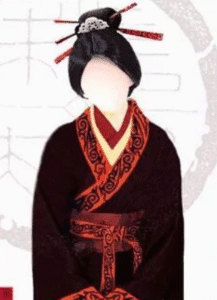
In the early days, ancient people’s clothing did not include trousers. It consisted of headgear, upper garments and lower skirts, belts, and ritual aprons. Embroidery patterns on the clothing were mostly based on elements from nature.
With the invasion of nomadic peoples and years of wars, the Han people gradually accepted trousers, which were convenient and protective.
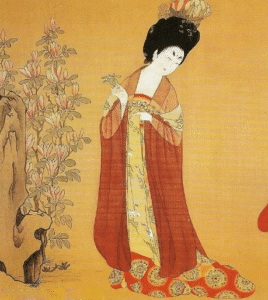
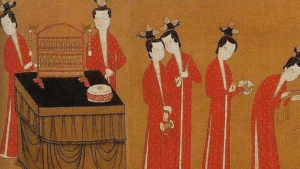
By the Tang Dynasty, civilization had reached the highest level in the world at that time. Cultural openness led to the integration of various civilizations, and clothing during this period also reached the most open era in Chinese history. Paintings handed down from that time provide evidence of women wearing men’s clothing.
The Song Dynasty was the most frugal dynasty in Chinese history, emphasizing frugality and introversion. There were particularly many artisans during this period, and the craftsmanship of handicrafts reached a new height — its sophistication is hard for us to achieve today. Additionally, the types of clothing in the Song Dynasty were more meticulously classified.
How useful was this post?
Click on a star to rate it!
Average rating 0 / 5. Vote count: 0
No votes so far! Be the first to rate this post.

-35-2-768x432.png)