Welcome To Our Official Website, And We Will Provide You With Excellent Service.
Common Fabric Pilling Mistakes and How to Avoid Them

Nothing is more frustrating than buying a carefully selected clothing item, only to find it covered in tiny unsightly pills after just a few wears—turning a high-quality piece into something cheap and shabby, as if your money has gone down the drain. In fact, fabric pilling is not a “mystery”; it’s the result of the combined effects of material properties, fabric structure, and usage habits. Today, we’ll break down the truth about pilling in 1 minute, teaching you to avoid pitfalls and choose the right fabrics with confidence!
I. First, Understand: Why Do Fabrics Pill?
The core cause of pilling is: fibers fall off from yarns or fabrics, then entangle and clump together into balls after friction. It’s mainly caused by 5 key factors—read on to find out where the problem lies:
1. Inherent Factor: Short Fibers = “Pilling-Prone Nature”
Natural fibers like cotton, linen, wool, cashmere, and viscose (rayon/modal) are mostly short fibers (limited length). Their “grip” in the yarn is weak, so they easily “escape” from the fabric when subjected to external force. After daily friction, these loose short fibers entangle with each other, forming unsightly pills. Especially fibers with natural scales or curl, such as wool and cashmere—the scales increase friction between fibers, and the curl structure makes them more likely to entangle, leading to a higher pilling probability.
2. Structural Factor: Loose Yarn + Loose Fabric = “Pilling Hotbed”
No matter how high-quality the fiber is, a poorly structured fabric will still pill easily:
- Loosely twisted yarn: Poor cohesion between fibers, like a group of people standing loosely together—they easily “fall apart” with a little movement, making short fibers prone to falling off;
- Loose fabric structure: For example, thick-knit or loosely woven fabrics have large gaps between fibers, so fibers are more likely to shift and fall off during friction;
- Fluffy surface: Fabrics with a fluffy surface, such as flannel and fleece, have protruding short fibers that directly entangle into pills after friction.
3. External Force Factor: Friction = “Pilling Trigger”
Friction during daily wear and care is the direct driving force behind pilling:
- Friction while wearing: Repeated contact between sleeves and desktops, trouser legs and chairs, backpacks and backs—all continuously pull the fibers on the fabric surface;
- Rubbing during washing: Collisions and rubbing between clothes in the washing machine, especially mixed washing with rough clothes like jeans and jackets, accelerate fiber loss and entanglement.
4. Environmental Factor: Static Electricity = “Pilling Assistant”
In dry environments, fabrics are prone to static electricity, which makes loose short fibers adhere to the fabric surface and unable to fall off naturally. This further promotes their entanglement into pills—explaining why clothes pill more easily in autumn and winter than in spring and summer.
5. Human Factor: Rough Care = “Accelerated Fabric Damage”
Many people overlook the impact of care methods on clothes: washing with hot water, strong drying, and frequent use of fabric softener (which makes fibers slippery and reduces cohesion) all damage the fiber structure, making the fabric fragile and prone to pilling.
II. Pitfall Avoidance Guide: Worthwhile Materials with Low Pilling Probability!
Understanding the causes of pilling gives you a clear direction for choosing fabrics—prioritize long-fiber, high-density, and smooth-surfaced materials. Here are specific recommendations:
1. Long-Staple Cotton/Combed Cotton
Ordinary cotton is a short fiber and prone to pilling, but long-staple cotton (e.g., Egyptian cotton, Pima cotton) and combed cotton retain longer fibers after screening. The yarn woven from these fibers has a tighter structure, so fibers are not easy to fall off, and the pilling probability is much lower than that of ordinary cotton. Suitable for T-shirts, knitwear, and light sweaters—soft, breathable, and durable.
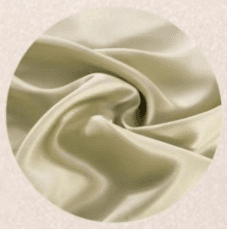
2. Silk/Mulberry Silk
Silk is a natural long fiber with long length, high strength, and a smooth surface. It is not easy to fall off or entangle during friction, and almost never pills. At the same time, it has a delicate and high-end texture, suitable for luxury knitwear and dresses, exuding an elegant temperament.
3. High-Count High-Density Wool/Cashmere (with Anti-Pilling Treatment)
Pure wool and cashmere are prone to pilling, but if they are high-count (fine yarn), high-density (tight weave), and undergo anti-pilling finishing (e.g., enzyme washing, singeing), the pilling probability will be greatly reduced. These fabrics have good warmth retention and high-end texture, suitable for winter sweaters—with proper care, they can be worn for many years.
4. High-Quality Synthetic Fiber Blends
Synthetic fibers such as polyester and nylon are inherently long fibers and not easy to pill. When blended with natural fibers (e.g., cotton, wool) in a reasonable ratio (e.g., 60% cotton + 40% polyester), they not only retain the comfort of natural fibers but also reduce pilling with the stability of synthetic fibers. Cost-effective, suitable for daily casual wear.
5. Tencel/Lyocell
Tencel is a regenerated cellulose fiber and a long fiber. The woven fabric has a tight structure and a smooth surface, which is not only soft and breathable but also has excellent anti-pilling performance. Suitable for spring and autumn knitwear and home wear—skin-friendly and durable.
III. Summary: 3 Core Tips for Choosing Fabrics
- Check fiber length: Prioritize “long-fiber” materials and avoid pure short fibers (e.g., ordinary cotton, coarse wool);
- Check weave density: Choose “high-count high-density” fabrics—those with a tight hand feel and smooth surface are more durable than loose and fluffy ones;
- Check care instructions: Prioritize fabrics that can be gently machine-washed or hand-washed, and avoid materials that require rough care.
Master these knowledge points, and you’ll never have to worry about “pilling after a few wears” when buying clothes again! Choosing the right fabric not only improves the texture and wearing experience of clothes but also saves money and trouble, keeping your beloved knitwear and sweaters in a brand-new state for a long time~
How useful was this post?
Click on a star to rate it!
Average rating 0 / 5. Vote count: 0
No votes so far! Be the first to rate this post.
-35-2-768x432.png)