Welcome To Our Official Website, And We Will Provide You With Excellent Service.

The Hidden Impact of Color on Sweater Design Trends

The impact of color on human emotion and perception is a well-documented phenomenon in the realm of psychology. Colors have the remarkable ability to evoke feelings, influence moods, and even alter our behavior. This makes the choice of color in sweater design not just an aesthetic decision but a strategic one. By understanding the psychology of color, designers can create sweaters that not only look stunning but also elicit specific emotional responses from the wearer and observer.
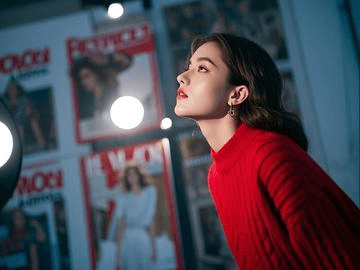
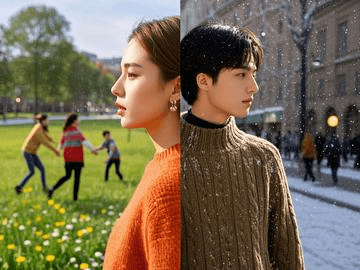
Warm colors like red, orange, and yellow are known to create a sense of energy, passion, and enthusiasm. They are often associated with vitality and can be effective in drawing attention to a design. In sweater design, incorporating warm tones can make a statement of confidence and boldness. For instance, a bright red sweater can exude a sense of power and vitality, perfect for making a strong fashion statement.
On the other hand, cool colors such as blue, green, and purple tend to evoke feelings of calmness, tranquility, and relaxation. These colors are often associated with nature and can create a sense of harmony and balance. In sweater design, cool tones can provide a soothing and relaxed appearance. A light blue sweater, for example, can convey a sense of peace and serenity, making it ideal for casual, laid-back outfits.

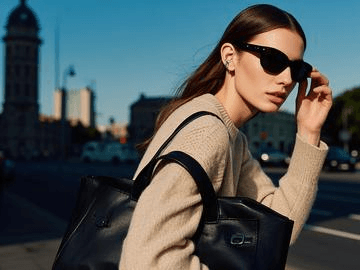
Neutral colors like beige, gray, and white are often considered versatile and timeless. They offer a sense of simplicity, elegance, and sophistication. In sweater design, neutral colors provide a canvas for other elements of the outfit to shine. A beige sweater, for instance, can be effortlessly paired with various accessories and create a chic, minimalist look.
In addition to the emotional impact, color choice in sweater design also takes into account practical considerations such as the intended wear, the target audience, and the season. For example, bright and bold colors may be more suitable for spring and summer collections, while earthy and muted tones may be preferred for autumn and winter.
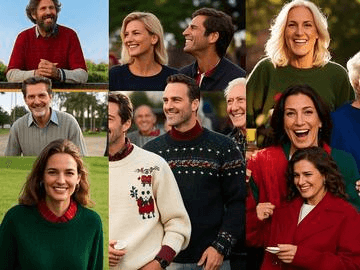
Furthermore, understanding the cultural associations of colors can also influence design choices. Different cultures attribute various meanings and symbolism to colors. For instance, in some cultures, red is associated with good luck and celebration, while in others, it may signify danger. Designers must consider these cultural nuances when creating sweaters for a global market.
In conclusion, the choice of color in sweater design is a delicate balance between aesthetics, psychology, and practicality. By thoughtfully considering the emotional impact and cultural significance of colors, designers can create sweaters that not only enhance the visual appeal but also resonate with the wearer on a deeper level. The artful use of color in sweater design can truly make a statement, evoke emotions, and leave a lasting impression.
New short form-fitting and versatile A-line dress for women with light leakage protection
How useful was this post?
Click on a star to rate it!
Average rating 0 / 5. Vote count: 0
No votes so far! Be the first to rate this post.
-35-2-768x432.png)