Welcome To Our Official Website, And We Will Provide You With Excellent Service.

How Knitwear Can Be Sustainable: An Expert’s Perspective

Sustainability has become a central topic in today’s fashion industry, and knitwear — often associated with comfort and craftsmanship — holds incredible potential to lead this change. Whether you’re a designer, brand owner, or simply passionate about eco-friendly fashion, understanding how knitwear supports sustainability can help you make smarter, greener choices.
1. Knitwear Naturally Produces Less Waste
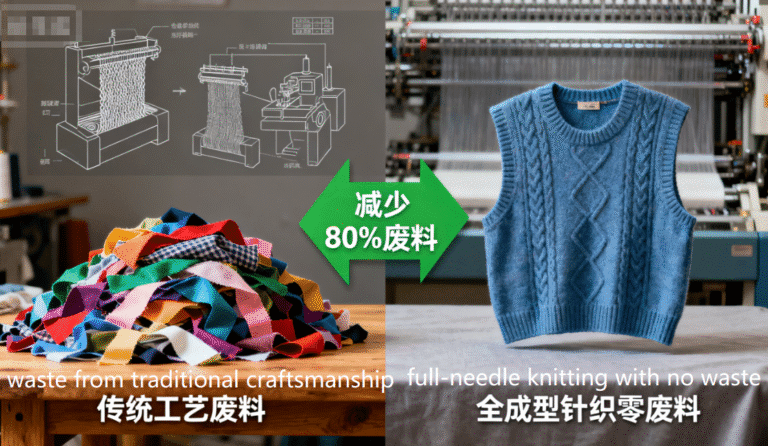
One of the most sustainable aspects of knitwear lies in how it’s made. Unlike woven fabrics that require cutting patterns and inevitably create offcuts, knitwear is produced directly into shape using knitting machines. This “fully fashioned” knitting process minimizes fabric waste from the very beginning.
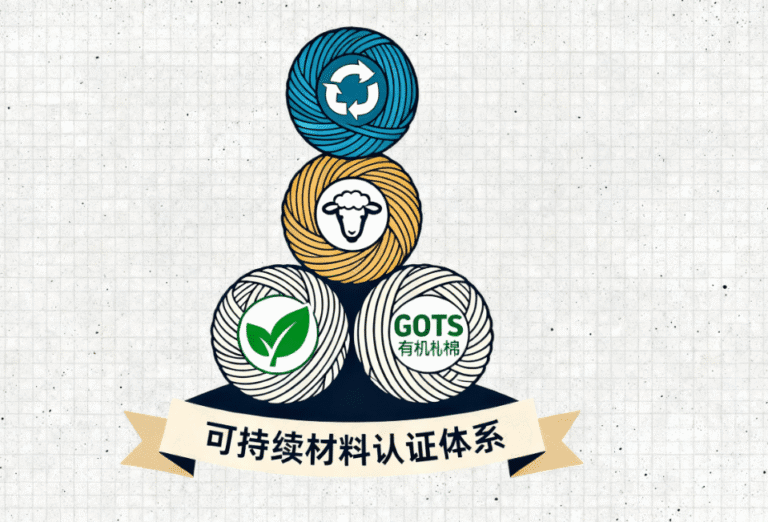
In addition, sustainable knitwear often uses biodegradable and renewable materials like organic cotton, merino wool, and bamboo fiber, reducing the environmental burden of synthetic alternatives.
2. Built to Last: The Durability of Quality Knitwear
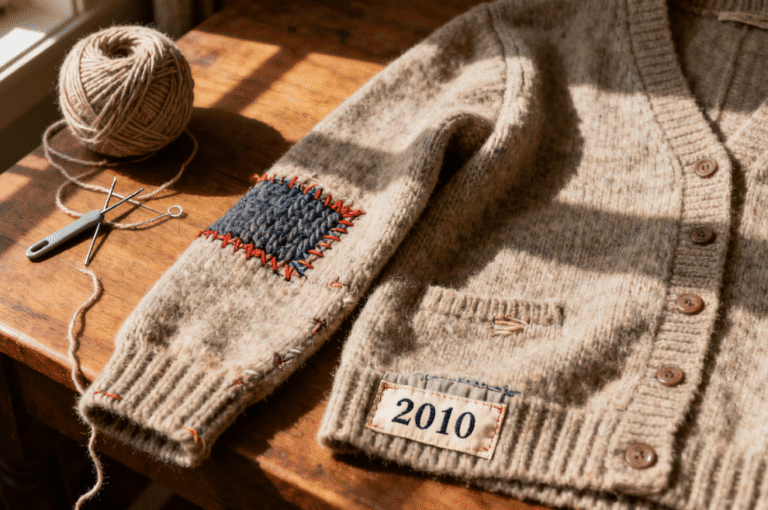
High-quality knitwear stands the test of time. With proper care, a well-made sweater can last for years without losing its shape or comfort. Because knitwear can also be repaired or re-knitted, it extends its usable life — which directly reduces textile waste.
When I choose materials for my own projects, I always prioritize those that combine durability with softness. A long-lasting garment is one of the simplest and most effective forms of sustainability.
3. Choosing Sustainable Materials
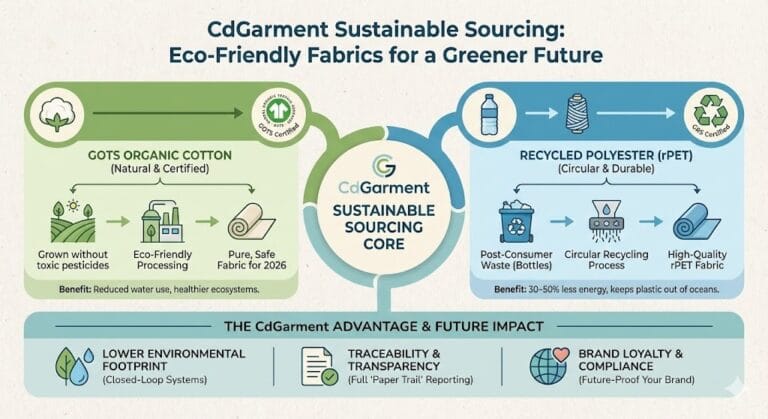
More brands are now shifting toward recycled or certified yarns, such as those approved by the Global Organic Textile Standard (GOTS) or the Responsible Wool Standard (RWS). These certifications ensure that both environmental and animal welfare standards are respected during production.
Recycled wool and synthetic fibers are also gaining traction, as they cut down the need for virgin raw materials while maintaining excellent performance and comfort.
4. Energy Efficiency in Modern Knitwear Production
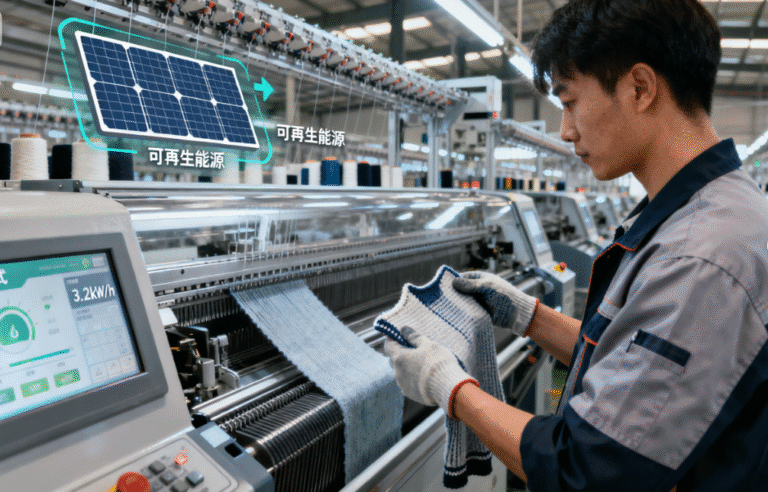
Today’s automated knitting machines have made sustainable manufacturing more achievable than ever. These machines consume less energy than traditional textile processes and allow for precision knitting, minimizing errors and waste.
Some factories also combine semi-manual processes such as hand-finishing and quality inspection — ensuring superior product quality while keeping emissions lower than mass-production models.
5. Timeless Design Meets Eco-Friendly Practice
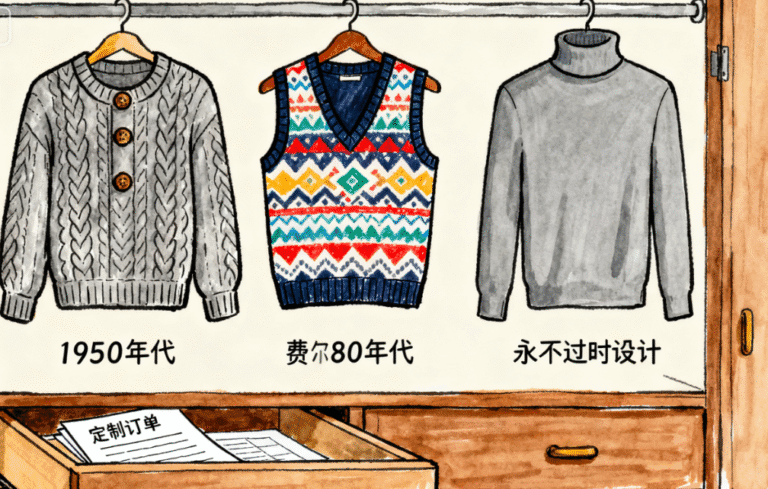
Another way knitwear supports sustainability is through timeless design. Classic patterns — from cable knits and Fair Isle motifs to cozy Christmas sweaters — rarely go out of style. This longevity encourages repeated use, reducing the constant demand for new products.
Some forward-thinking brands even adopt made-to-order systems, producing only what’s needed and preventing unnecessary stock and waste.
6. Biodegradability and Recyclability
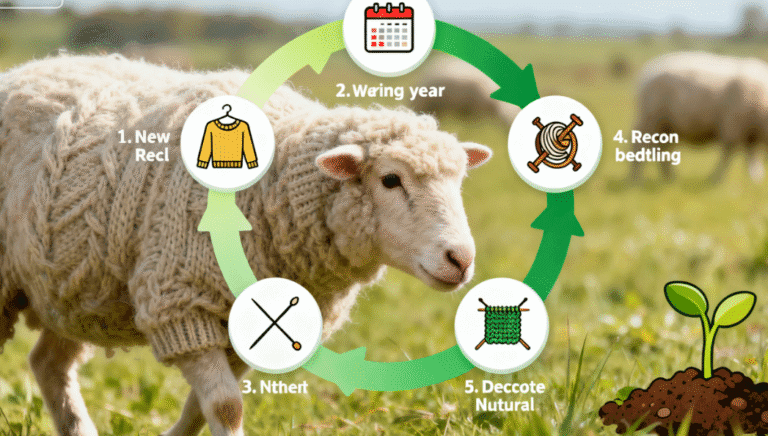
Natural fiber knitwear is often biodegradable, meaning it decomposes much faster than synthetic fabrics. Wool, for example, breaks down naturally, returning nutrients to the soil instead of polluting landfills.
Even at the end of its lifecycle, knitwear can still play a role in sustainability — recycled fibers from old sweaters can be spun into new yarns or repurposed for insulation and industrial materials.
7. Building a Truly Sustainable Knitwear Collection
Creating an eco-conscious knitwear line involves more than just choosing organic yarns. It’s about thoughtful planning at every stage — from design to production and beyond. Partnering with the right manufacturer who understands sustainable practices can make a big difference.
If you’re developing your own knitwear brand, look for manufacturers that offer transparency, sustainable yarn sourcing, and customization options. They can help transform your creative vision into beautiful, eco-friendly knitwear that resonates with conscious consumers.

Final Thoughts
Knitwear holds immense potential to lead the shift toward a greener fashion future. Through responsible material choices, waste reduction, and mindful production, every piece of knitwear can tell a story of craftsmanship and care for the planet.
If you’re ready to explore sustainable knitwear design or start your own collection, consider working with expert knitwear manufacturers who value both quality and sustainability. The right partnership can help you create timeless pieces that are as kind to the environment as they are stylish.
How useful was this post?
Click on a star to rate it!
Average rating 0 / 5. Vote count: 0
No votes so far! Be the first to rate this post.

-35-2-768x432.png)