Welcome To Our Official Website, And We Will Provide You With Excellent Service.
How to Choose the Right Knitting Yarn: A Complete Guide for Sweater Designers

How to Choose the Right Knitting Yarn: A Complete Guide for Sweater Designers
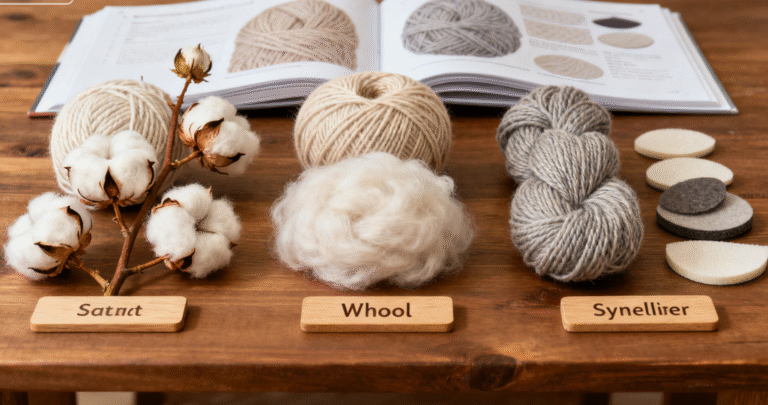
Choosing the right yarn is one of the most crucial steps in sweater making. The type, texture, and quality of your yarn determine not only how your sweater feels but also how it looks, drapes, and lasts. Whether you’re knitting apparel, home décor, or creative crafts, understanding yarn types and their characteristics will help you make the best decision.
If you’ve ever felt overwhelmed by endless yarn options — don’t worry. This post walks you through everything you need to know about yarn selection: from fiber content and softness to color and care.
🧶 Understanding Yarn Types
Different yarns serve different purposes. Some are light and breathable for summer wear, others are soft and insulating for winter garments. A few are designed for durability and easy maintenance, while others focus on luxury and comfort. Below, I’ve broken down the main categories of yarns you’ll encounter and their pros and cons.
🌿 1. Plant Fiber Yarns
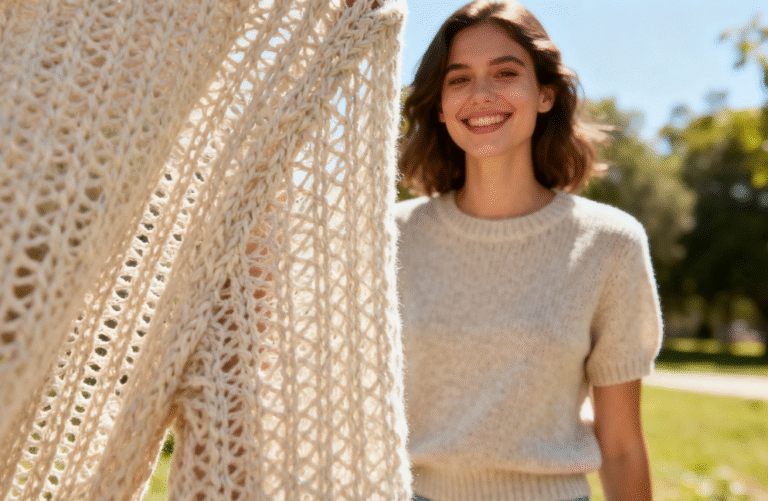
Common types: Cotton, linen, and bamboo yarns.
Advantages:
Eco-friendly: Made from natural plant fibers, these yarns are free from chemical additives and biodegradable.
Breathable: Cotton yarns allow air circulation, keeping the skin comfortable and preventing irritation.
Moisture-absorbent: Great for absorbing sweat and keeping the skin dry.
Soft and comfortable: Perfect for lightweight garments and warm-weather clothing.
Disadvantages:
Wrinkles easily: Plant-based knits tend to crease and may need regular ironing.
Prone to deformation: They can stretch or lose shape if not properly maintained.
Less durable: Not as wear-resistant as synthetic fibers.
Best for: Those who prioritize comfort, sustainability, and a natural feel in their knitwear. Just remember to care for them gently to extend their lifespan.
🐑 2. Animal Fiber Yarns
Common types: Wool, cashmere, alpaca, yak, and mohair.
Advantages:
Soft and warm: Natural crimp in animal fibers gives them superior insulation and elasticity.
Excellent temperature regulation: Keeps you warm in winter and cool in slightly humid conditions.
Odor-resistant: Natural lanolin in wool makes it resistant to odor and bacteria.
Disadvantages:
Requires delicate care: Prone to shrinking and felting if washed improperly.
Sensitive to moisture: Can lose shape in humid conditions.
Cleaning challenges: Often requires professional care or special detergents.
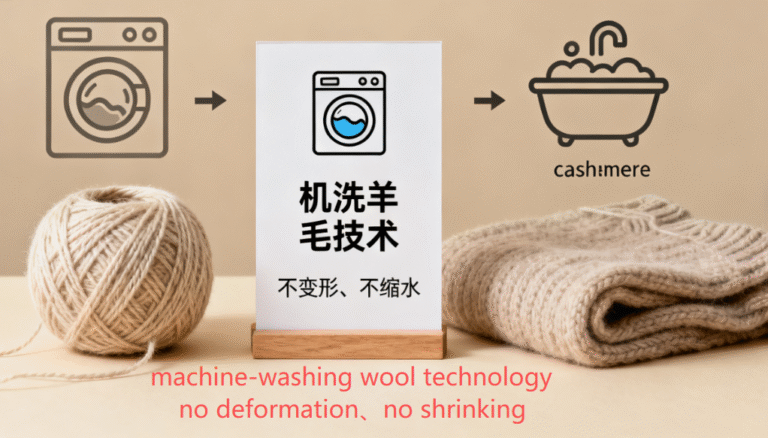
If you’ve ever struggled to maintain a wool or cashmere sweater, you’re not alone. Traditional wool fibers felt easily during washing — but innovation is changing that.
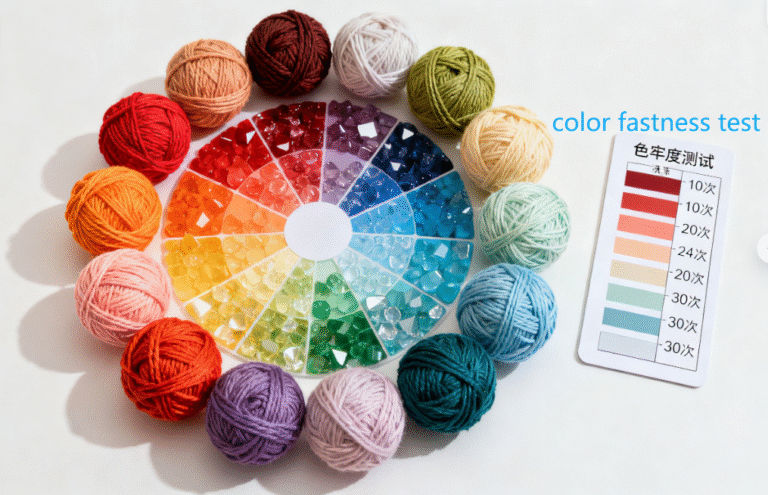
At DGJIAYAN, for example, machine-washable wool yarn has been developed to retain the softness of traditional wool while making cleaning effortless. This technology allows knitwear to maintain its original hand feel and structure, reducing the maintenance burden for both brands and consumers.
As sustainability continues to grow in importance, many manufacturers are also turning to eco-friendly wool production processes — ensuring comfort, quality, and environmental responsibility go hand in hand.
🧵 3. Synthetic Fiber Yarns
Common types: Acrylic, polyester, and nylon.
Advantages:
Durable: Excellent resistance to abrasion, stretching, and wear.
Colorful and versatile: Available in a wide range of vivid shades that resist fading.
Easy to care for: Machine washable and quick drying.
Allergy-friendly: A great option for those sensitive to natural animal fibers.
Disadvantages:
Less breathable: May trap heat and moisture.
Environmental impact: Produced from non-renewable materials and slow to decompose.
Less natural feel: Can be less soft and flexible compared to natural fibers.
Synthetic yarns are a great fit for beginners or for designs that require easy maintenance and vibrant colors — especially if the target audience includes vegans or people with wool allergies.
🎨 4. Choosing Yarn Colors
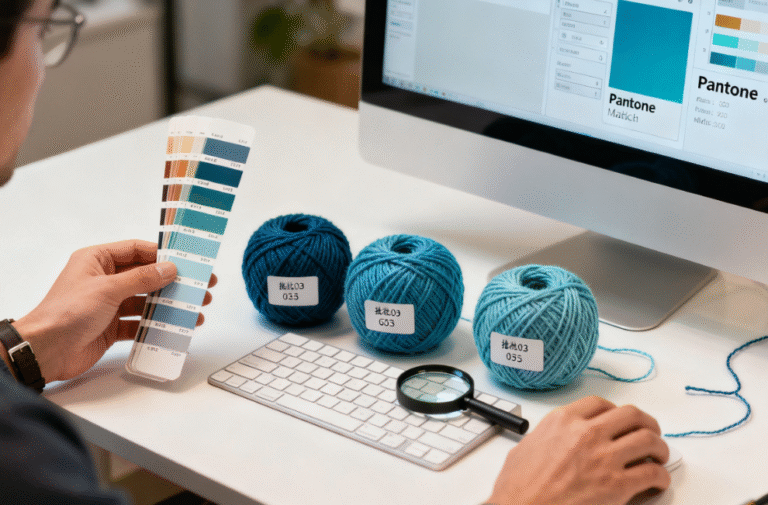
Color selection is just as important as fiber choice. Yarn is dyed in batches, and slight variations can occur between dye lots. Always check the batch number on your yarn label and ensure all your skeins come from the same lot to keep your color consistent throughout a project.
When planning color palettes, browse Pinterest, fashion lookbooks, or manufacturer color cards for inspiration. These resources can help you identify trending shades and combinations that fit your brand’s image.
If you’re working with a sweater manufacturer, it’s worth choosing one that provides expert color consultation. A knowledgeable partner who can guide you on color matching and fabric coordination will help you achieve the perfect balance between design and quality.
Final Thoughts
Yarn selection is both an art and a science. Each type — plant, animal, or synthetic — brings a distinct personality to your knitwear. When chosen thoughtfully, the right yarn enhances not only the look of your design but also its wearability and longevity
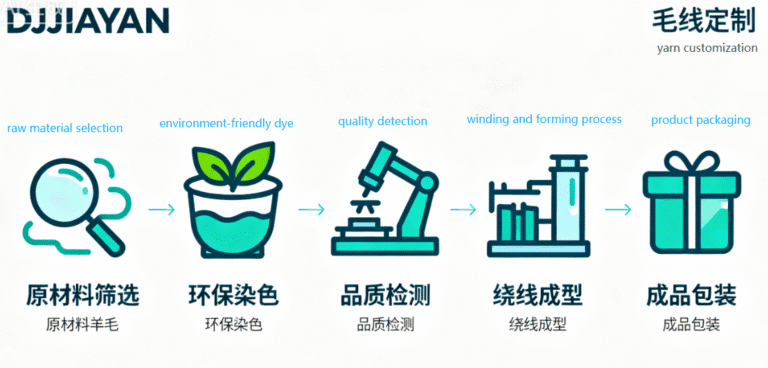
If you’re looking to bring your custom knitwear ideas to life, Dongguan Chuangdian offers a one-stop sweater customization service. From yarn sourcing to finished production, every detail is tailored to your brand’s vision.
How useful was this post?
Click on a star to rate it!
Average rating 0 / 5. Vote count: 0
No votes so far! Be the first to rate this post.
-35-2-768x432.png)