Welcome To Our Official Website, And We Will Provide You With Excellent Service.

Polar Bear–Inspired Sweater: A Breakthrough in Lightweight Warmth

Polar Bear Fur–Inspired Sweater: Thinner Than a Down Jacket, Just as Warm
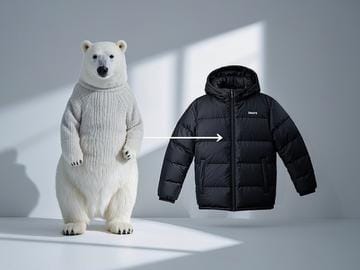
Scientists have developed a breakthrough sweater inspired by the natural design of polar bear fur. The new material is only one-fifth the thickness of a down jacket, yet it delivers the same level of warmth. This innovation could change the future of outdoor wear, offering lightweight, durable, and animal-free insulation.
A breakthrough inspired by nature
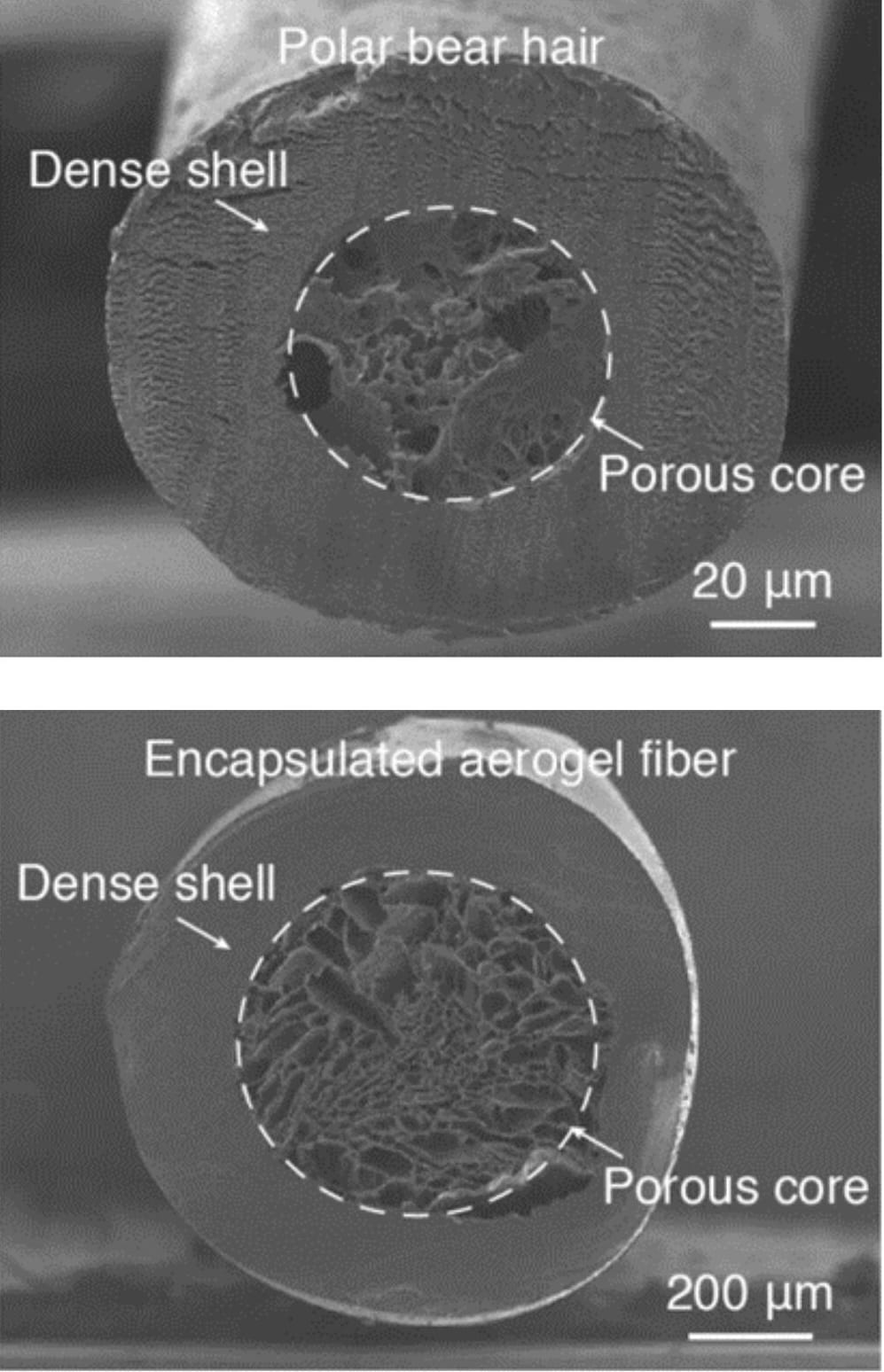
Researchers looked closely at how polar bear fur keeps the animals warm in extreme Arctic temperatures. The key lies in the fur’s hollow, porous structure, which traps heat efficiently while remaining incredibly light.
To recreate this structure, the team used freeze-spinning, a technique that forms tiny channels inside synthetic fibers. The result is an aerogel-based fiber that mimics the heat-locking capabilities of polar bear fur. The fibers are then coated with a flexible material, improving their strength, stretchability, and resistance to water.
Light, tough, and warm
Traditional aerogel fibers tend to be brittle, but this new composite fiber is different. It stays strong and elastic even after being stretched, washed, or dyed. Tests showed that:
The fiber maintained its structure and shape after exposure to water and heat
Its insulating ability did not decrease after being stretched
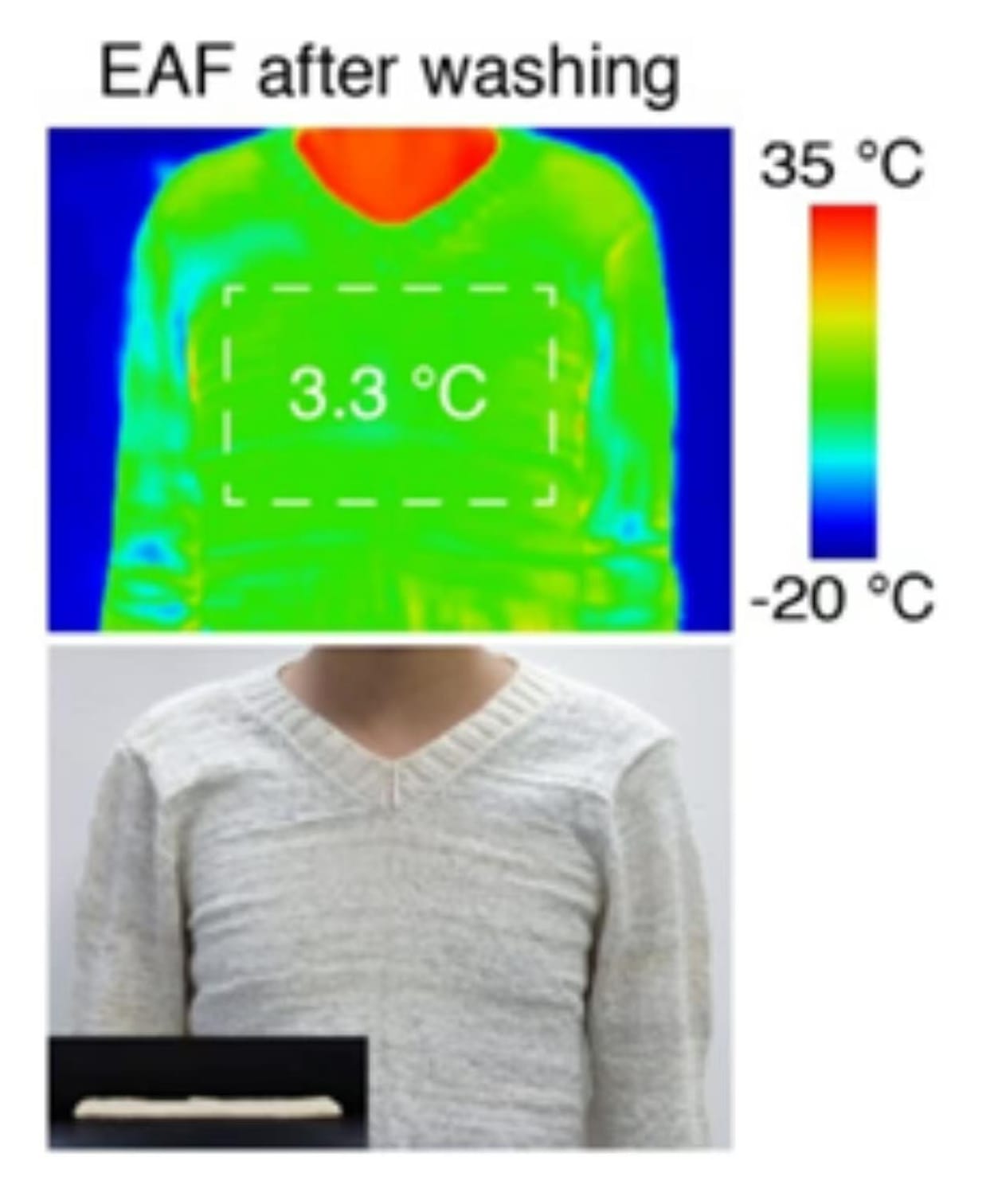
The finished sweater resisted wear and kept its warmth after multiple washes
In controlled cold-room tests, the polar bear fur-inspired sweater outperformed a wool sweater and a cotton top. Its heat retention was also close to that of a down jacket, despite being far thinner.
A fine insulator with big potential
Among all garments tested, the new sweater delivered the best overall insulation. It lost slightly less heat than a down jacket and offered better durability during washing. Its light weight makes it especially appealing for long-term wear.
This innovation opens the door to new types of warm clothing without the need for animal fur or down. Potential applications include:
High-performance sportswear
Military cold-weather uniforms
Space exploration suits
Everyday lightweight winter clothing
Challenges ahead
Despite its promise, the fiber is not yet ready for mass production. The manufacturing process needs further refinement to ensure stable, large-scale output.
Still, the breakthrough proves once again that nature is one of the best teachers. By studying polar bear fur, scientists have created a material that could redefine what warm clothing looks and feels like—lighter, stronger, and just as warm as traditional options.
How useful was this post?
Click on a star to rate it!
Average rating 0 / 5. Vote count: 0
No votes so far! Be the first to rate this post.


-35-2-768x432.png)