Welcome To Our Official Website, And We Will Provide You With Excellent Service.

The History of Sweaters: From Nomadic Warmth to Global Fashion

Sweaters are one of the most beloved essentials in autumn and winter wardrobes around the world. Yet behind this everyday garment lies a thousand-year journey shaped by human creativity, migration, trade, and cultural exchange. From the rough wool knits of ancient nomads to today’s designer runway pieces, the evolution of the sweater mirrors shifts in technology, aesthetics, and society itself.
In this blog, we trace the story of the sweater—how it began, how it spread, and how it became a global fashion icon.
I. Ancient Origins: A Warmth-Crafted Invention from Nomadic Life
The story begins with the most basic human need: warmth.
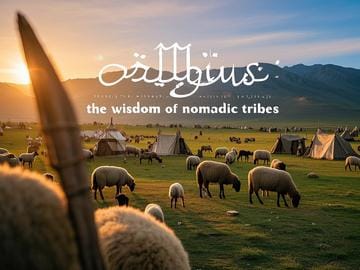
Historians believe that the earliest knitting techniques appeared among nomadic tribes in Central Asia and the Middle East—communities who lived closely with sheep and had direct access to wool. To survive harsh winters, shepherds cleaned, spun, and twisted wool into yarn and used primitive tools such as bone needles or wooden sticks to knit fabric panels that wrapped around the body.
These early knits were simple, rugged, and purely functional. Yet they laid the foundation for the modern sweater. Archaeological discoveries from ancient Mesopotamia show knitted wool textiles made with a “double-stitch” technique, demonstrating surprisingly advanced craftsmanship for their time.
Knitting required no large machinery and could be done anywhere, making it perfectly suited to nomadic lifestyles. As tribes migrated, the technique traveled—slowly spreading across Eurasia.
II. European Expansion: When Knitting Became a Craft and Industry
Between the Middle Ages and the early modern era, knitting gradually took root in Europe. Mediterranean trade routes brought yarn-making knowledge westward, where it blended with Europe’s booming wool industry.
Britain, in particular, saw massive growth in wool production. At one point, wool trade accounted for over 70% of the country’s national income. Knitting became a household skill, a source of income, and an essential part of daily clothing.
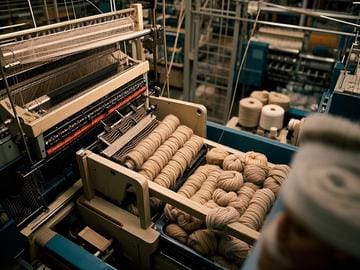
The Industrial Revolution dramatically accelerated the evolution of sweaters. The invention of knitting machines in the 19th century transformed sweaters from handmade goods into mass-produced apparel. Although machine-made sweaters lacked some of the texture and charm of handmade ones, they were faster and more affordable—making knitwear accessible to the general public.
By the early 20th century, knitted garments had reached China’s coastal cities like Shanghai and Tianjin, where knitting became a fashionable craft. Women who mastered knitting were admired for their skill, and sweaters became a symbol of refinement and domestic artistry.
III. Fashion Takes Over: Sweaters Go Global
The 20th century marked the transformation of sweaters from utilitarian necessities into global fashion staples.
In the 1950s, celebrities in film and television helped popularize various sweater styles—from classic turtlenecks to cozy cardigans. In the 1960s and 1970s, designers from Italy, France, and the UK integrated sweaters into high fashion, elevating knitwear into a sophisticated style category.
Cultural patterns from around the world found their way into sweaters:
Scottish Fair Isle motifs
Irish Aran cable patterns
Nordic snowflake and geometric designs
These elements gave sweaters new artistic value and regional identity.
Material innovation further enriched sweater design. Natural fibers like wool, mohair, and cashmere were joined by modern synthetic fibers such as nylon and acrylic, expanding the palette of colors and textures available to designers.
During World War II, knitting became a patriotic act. Across Europe and America, civilians knitted sweaters for soldiers—making knitwear not just a garment, but a symbol of emotional warmth and solidarity.

IV. The Modern Sweater: A Blend of Fashion, Sustainability, and Emotion
Today, sweaters are everywhere—but their meaning continues to evolve.
They are foundational pieces for layered styling, designed for work, leisure, holidays, and daily comfort. Christmas sweaters have become a cultural tradition, and many people have sentimental “sweater memories” associated with loved ones or important milestones.
At the same time, sustainability has reshaped the sweater industry. More brands are adopting:
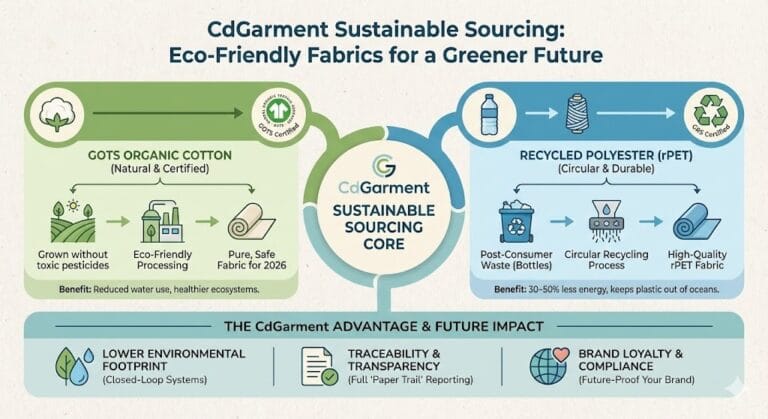
Organic and traceable wool
Recycled fibers
Upcycled yarns and zero-waste knitting
Alongside sustainability comes a revival of hand-knitting culture. The slow, meditative craft has returned as a hobby, a form of therapy, and a way to express individuality. Artists are even using yarn in installation art, expanding the cultural meaning of knitwear.

Conclusion: A Garment Woven Through Time
From the hands of ancient shepherds to the spotlight of international runways, the sweater’s evolution is the story of humanity’s relationship with warmth, beauty, craftsmanship, and innovation.
It reflects our creative instincts, our cultures, our memories.
In the 21st century, sweaters continue to evolve—comforting, inspiring, and connecting people across the world with their enduring warmth and incredible versatility.
How useful was this post?
Click on a star to rate it!
Average rating 0 / 5. Vote count: 0
No votes so far! Be the first to rate this post.

-35-2-768x432.png)