Welcome To Our Official Website, And We Will Provide You With Excellent Service.

The Short History of Sweaters: How Knitwear Evolved From Workwear to Fashion Icons
Discover the fascinating history of sweaters—from 15th-century fisherman knitwear to Hollywood “sweater girls” and modern fashion trends. Learn how knitwear evolved into today’s wardrobe essential.

The Short History of Sweaters
Sweaters are one of the most timeless pieces in modern wardrobes—but their journey from practical knitwear to fashion statements is far more fascinating than most people realize.
Here’s a clear and SEO-friendly look at the history of sweaters, how they evolved, and why they remain essential today.
1. The Origins: Sweaters Begin as Practical Workwear (15th Century)
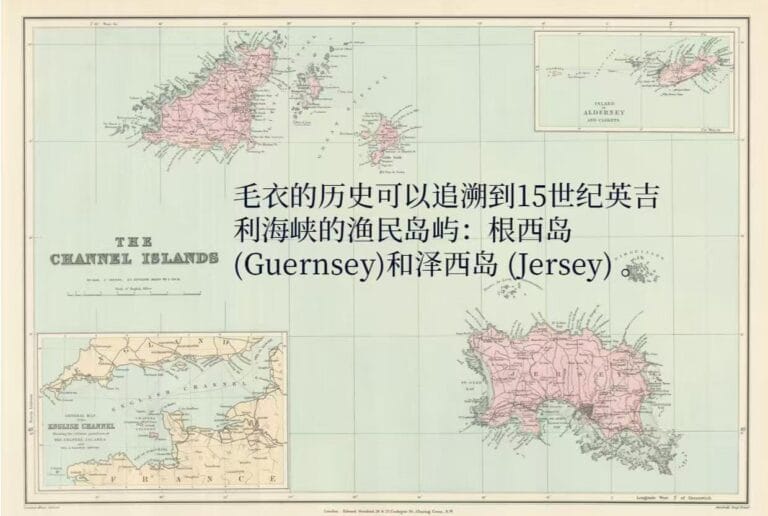
The earliest sweaters appeared in the 15th century on the islands of Guernsey and Jersey in the English Channel. Fishermen needed warm, durable knitwear to protect them from cold, wet weather.
These early garments were made from natural wool that repelled water, and their designs inspired the modern term “jersey.”
By the 1890s, sweaters made their way into American sports. Athletes wore knitted pullovers to stay warm during training, a trend that eventually popularized the word “sweater.”
2. Entering Fashion: Coco Chanel Makes Sweaters Chic
In the early 20th century, sweaters transitioned from workwear to womenswear.
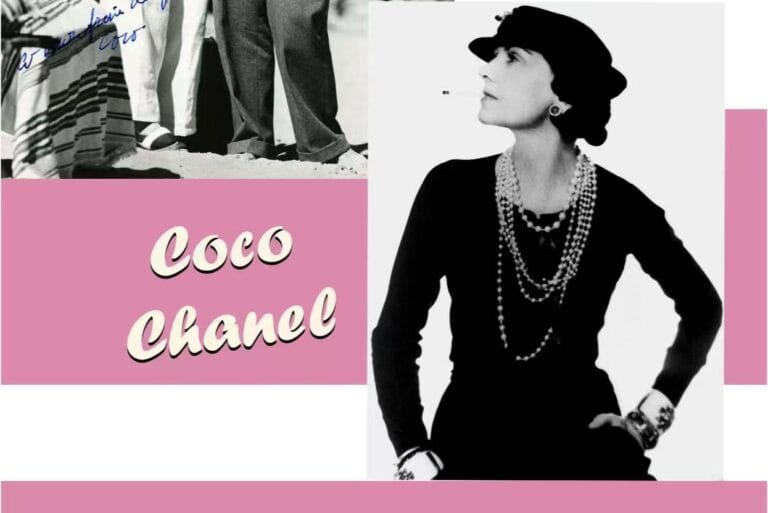
Designer Coco Chanel famously paired simple knitted sweaters with layered accessories, proving that knitwear could be both practical and elegant.
This moment marked the beginning of sweaters as a true fashion item, not just functional clothing.
3. The Rise of the “Sweater Girl”: Sexy Knitwear Takes Over (1930s–1950s)
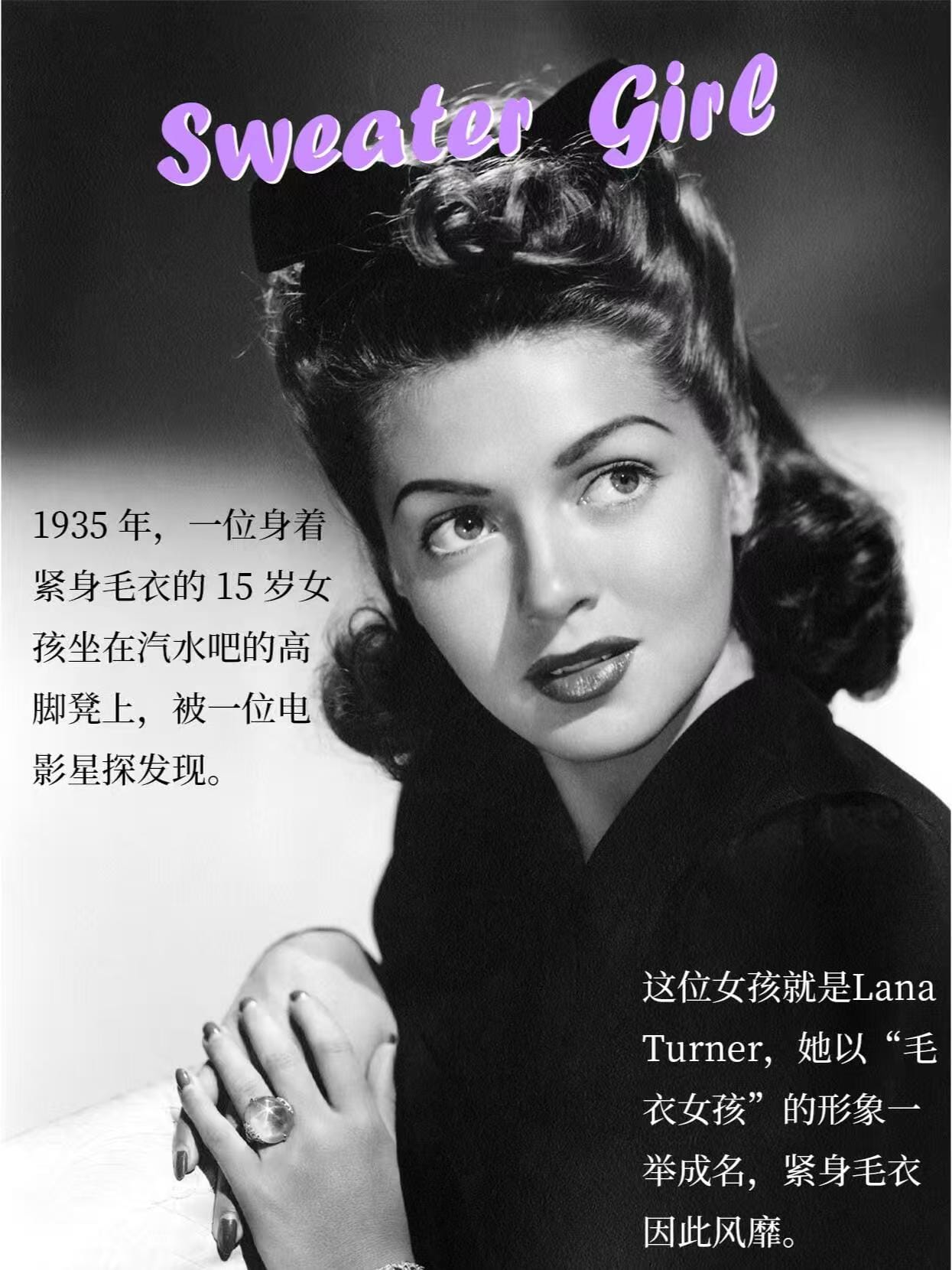
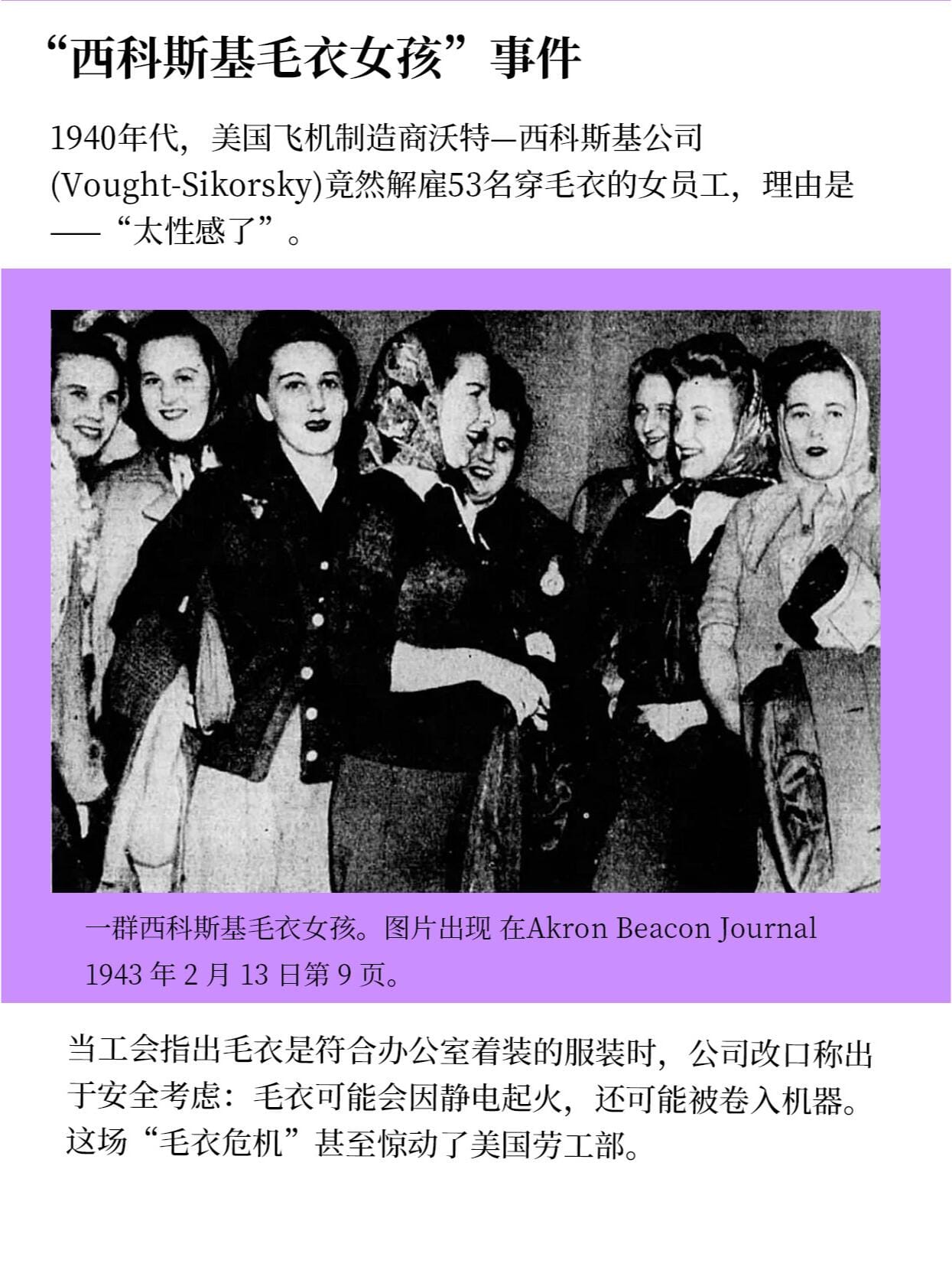
One of the most iconic moments in sweater history came in 1935, when 15-year-old Lana Turner was discovered in a tight sweater at a soda shop. Her overnight stardom helped launch the “sweater girl” trend.
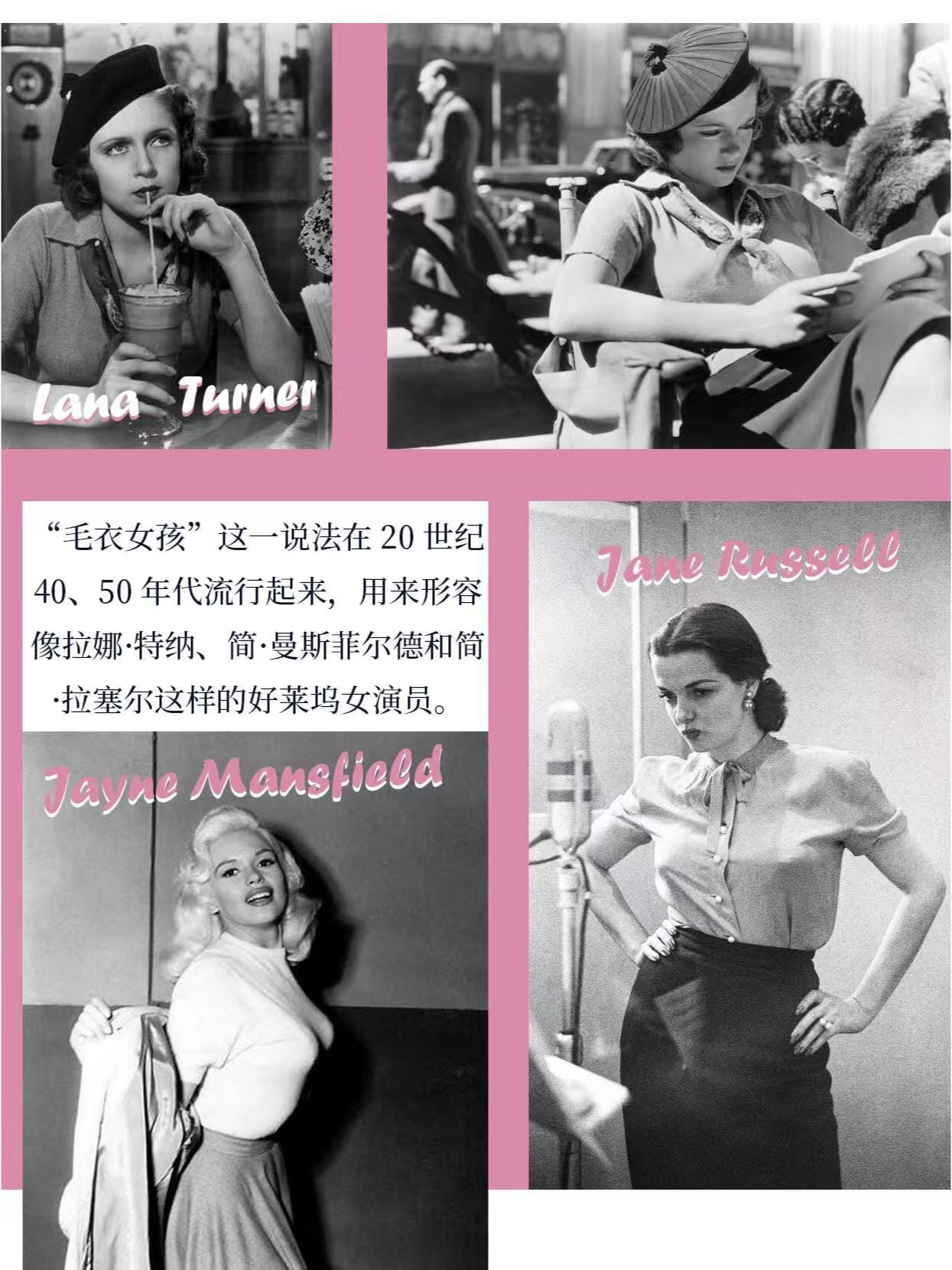
During the 1940s and 1950s, celebrities such as Jayne Mansfield, Ann Sheridan, and Jane Russell embraced form-fitting sweaters paired with cone bras (or bullet bras), creating an unmistakable silhouette.
This look was so influential that it sparked both admiration and controversy:
In 1949, a Pittsburgh police chief criticized “sweater girls” as a moral decline.
Several U.S. companies even banned sweaters in the workplace, claiming they were “too distracting” or unsafe.
Despite backlash, the trend cemented sweaters as a symbol of femininity and confidence.
4. From Sexy to Slouchy: The “Sloppy Joe” Era
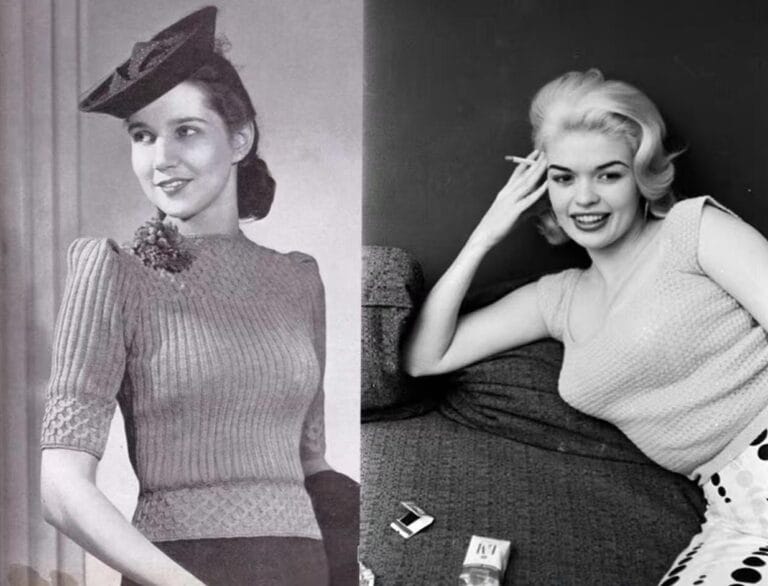
After the height of the sweater-girl period, the pendulum swung the other way. The “Sloppy Joe” sweater—oversized, soft, and effortless—became widely popular.
With dropped shoulders, rolled sleeves, and long hems, it offered comfort while still looking stylish, especially on college campuses.
This era helped establish sweaters as both cozy and versatile, forming the foundation of modern casual knitwear.
5. The Turtleneck Revolution: Audrey Hepburn and 1957
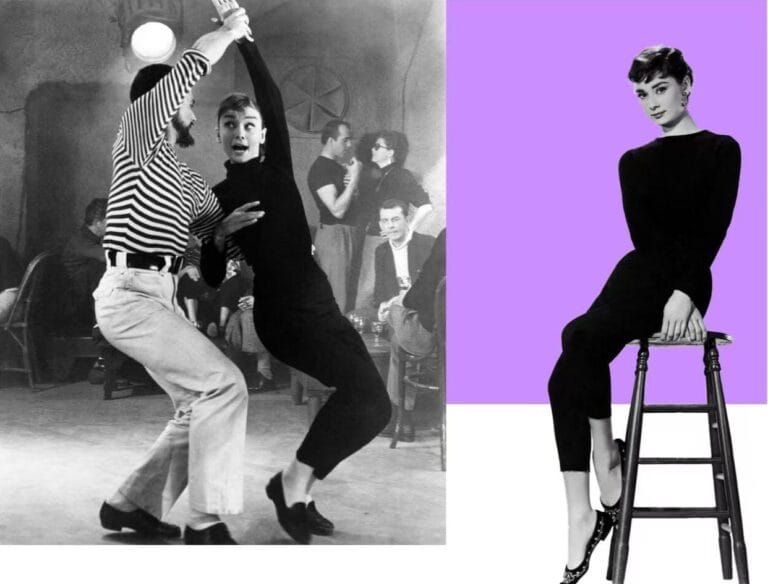
In 1957, Audrey Hepburn transformed the image of knitwear once again.
In Funny Face, she wore a sleek black turtleneck sweater, giving the piece a refined, intellectual appeal.
This single outfit helped bring the black turtleneck from artistic subcultures into mainstream fashion, where it remains iconic today.
6. Why Sweaters Stay Timeless: Function Meets Fashion
From fishermen’s gear to Hollywood glamour to modern streetwear, sweaters have survived centuries of trend shifts because they offer the perfect balance of:
Warmth and comfort
Versatility
Endless style possibilities
Whether fitted, chunky, cropped, oversized, slouchy, or elegant, sweaters continue to evolve—making knitwear one of the most enduring categories in fashion history.
Conclusion: The Sweater’s Journey Is Still Evolving
The history of sweaters reflects changing lifestyles, cultural shifts, and fashion innovation.
From practical beginnings to global style staple, knitwear has proved itself timeless.
And as new materials, sustainable yarns, and modern designs continue to emerge, the sweater’s story is far from over.

-35-2-768x432.png)
-21-768x432.png)