Welcome To Our Official Website, And We Will Provide You With Excellent Service.
What Is a Gauge in Knitting? Everything You Need to Know About Knitwear Gauge

What Is a Gauge in Knitting?
Everything You Need to Know About Knitwear Gauge
When you’re exploring the world of knit sweaters, one term you’ll frequently encounter is “gauge.” But what exactly does it mean when a sweater is labeled “18-gauge” or “9G”? As a trusted knitwear manufacturer with over 30 years of experience, we’re here to unravel the mystery behind knitting gauge and help you make informed, stylish choices.
Let’s dive in.
What Is Gauge in Knitting?
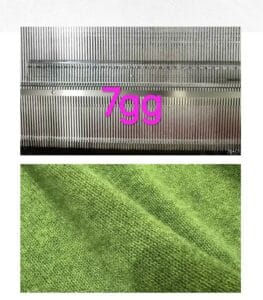
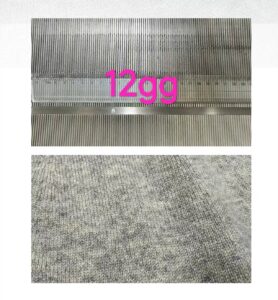
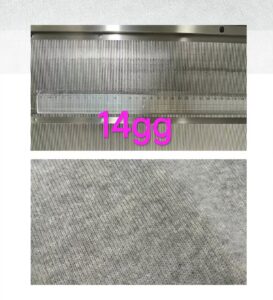
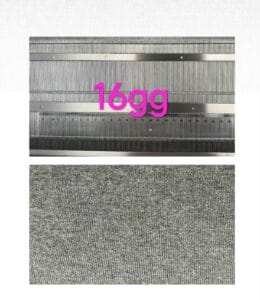
In knitting, gauge (often marked as “G” or “GG”) refers to the number of needle beds (or needle holes) per inch of fabric — either horizontally or vertically. It essentially measures how tightly or loosely the yarn is knitted.
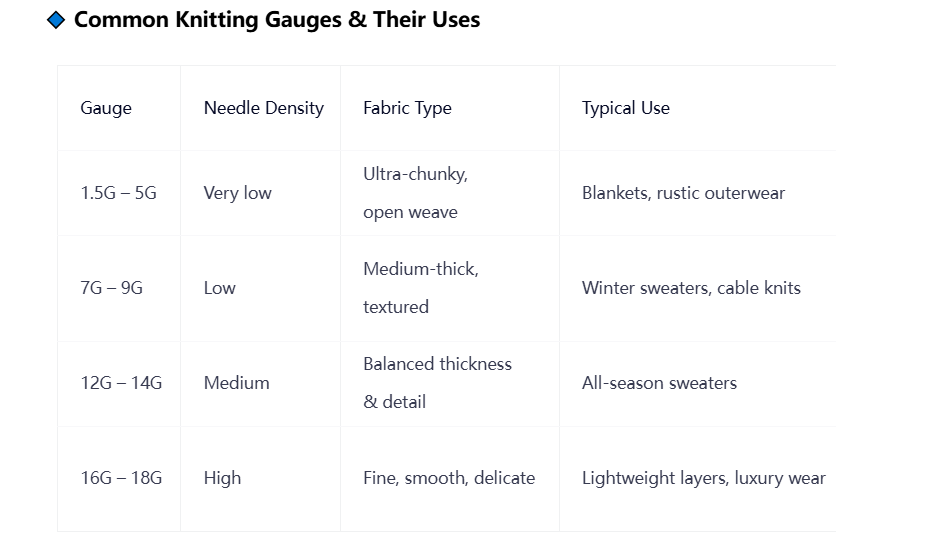
– Higher gauge number = more needles per inch = finer, denser knit
– Lower gauge number = fewer needles per inch = looser, chunkier texture
Think of it like pixel resolution: the higher the gauge, the more “pixels” (stitches) there are in an inch, resulting in a smoother, more refined fabric surface.
Why Does Gauge Matter?
Gauge directly influences several key qualities of a knitted garment:
- Fabric Density & Texture
– High-gauge knits (e.g., 14G–18G): Delicate, tight stitches create a smooth, soft finish — ideal for lightweight, elegant pieces.
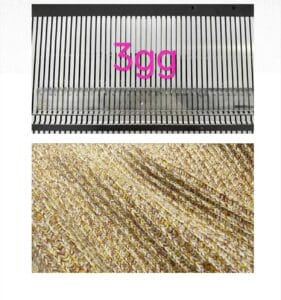
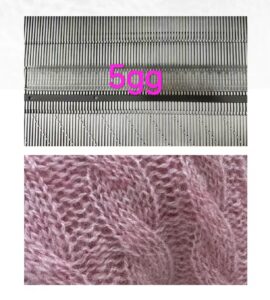
– Low-gauge knits (e.g., 3G–9G): Open, bold stitches give a rustic, cozy look — perfect for chunky winter sweaters.
- Comfort & Durability
– High-gauge fabrics are less prone to pilling and deformation due to their compact structure.
– They also feel softer against the skin and drape more gracefully.
- Warmth & Breathability
– Contrary to intuition, a higher gauge doesn’t mean less warmth. In fact, tighter knitting reduces air gaps between fibers, trapping heat more efficiently.
– For extra warmth without bulk, go high-gauge with fine wool (like merino).
– For a thick, insulating sweater (like a cable-knit winter pullover), choose a lower gauge with multi-ply yarn.
- Seasonal Suitability
– Fine gauges (12G–18G): Best for spring, summer, or layering — think lightweight cardigans and sleek turtlenecks.
– Coarse gauges (3G–9G): Ideal for fall and winter — great for statement sweaters and outdoor wear.
How to Choose the Right Gauge?
Ask yourself these questions:
– What season will I wear it in?
– Warm months → higher gauge (14G+)
– Cold months → lower gauge (9G or below), especially with wool blends
– What look am I going for?
– Elegant, modern, sleek → high gauge
– Casual, cozy, artisanal → low gauge
– How important is comfort and fit?
– High-gauge knits offer better drape and less itchiness — ideal for next-to-skin wear.
– Are you designing or custom-making?
– Consider yarn thickness: finer yarns work best with high gauges; bulky yarns need low-gauge machines.
Final Thoughts: Embrace the Art of Gauge
Understanding knitting gauge empowers you to appreciate the craftsmanship behind your favorite sweaters. Whether you’re drawn to the airy elegance of an 18-gauge cashmere turtleneck or the rugged charm of a 5-gauge fisherman knit, each piece tells a story of texture, technique, and intention.
How useful was this post?
Click on a star to rate it!
Average rating 0 / 5. Vote count: 0
No votes so far! Be the first to rate this post.

-35-2-768x432.png)