Welcome To Our Official Website, And We Will Provide You With Excellent Service.
Anti-Pilling Fabrics in the Sweater Industry

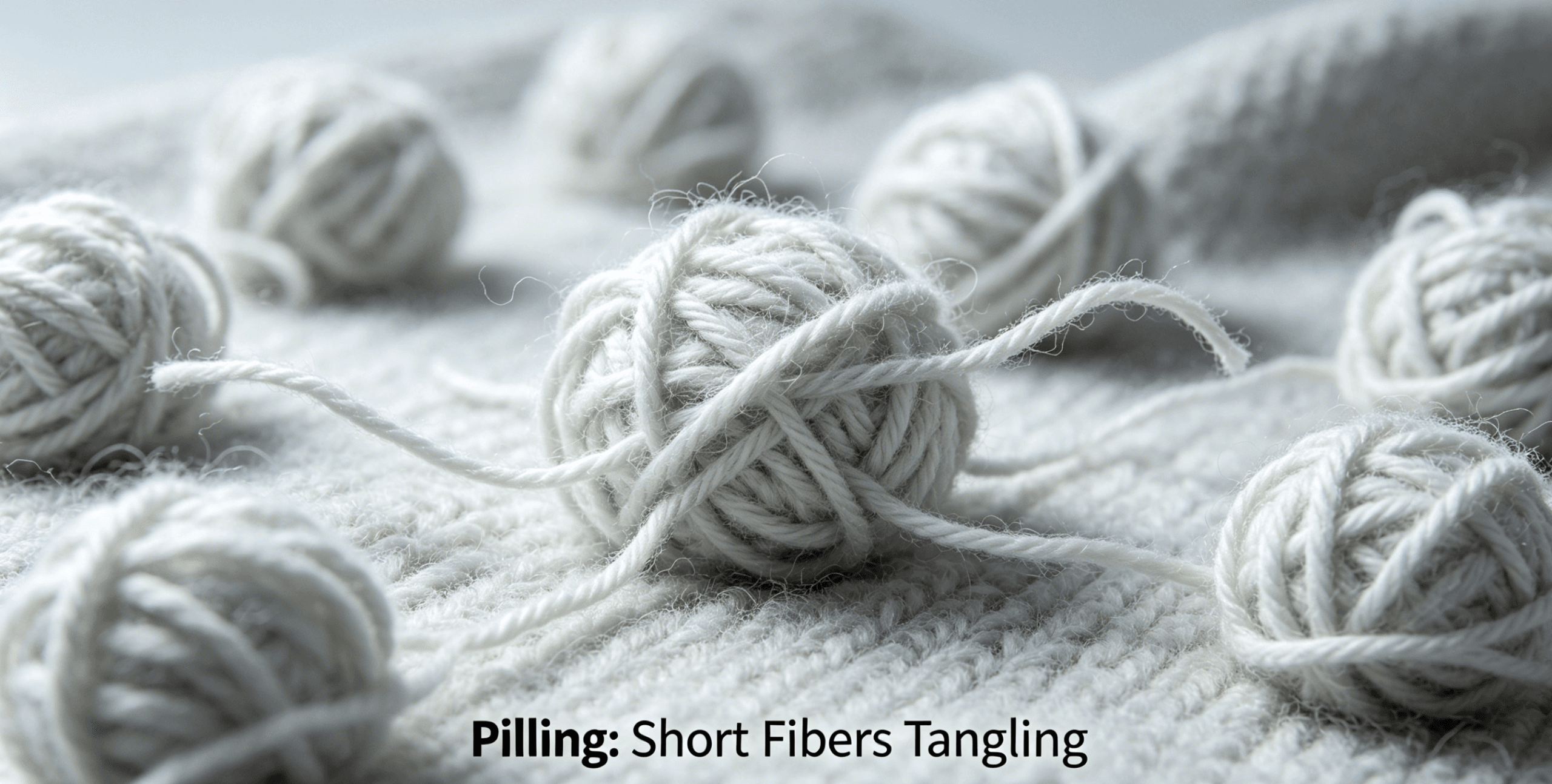
Pilling is essentially caused by short fibers breaking and tangling together due to friction. Anti-pilling fabrics reduce pilling from the source through four core processes: selection of long fibers, high-twist spinning, compact weaving, and anti-pilling finishing. This ensures sweaters remain smooth and clean-looking even after prolonged wear and washing.
1. Main Categories of Anti-Pilling Fabrics
1) Combed Cotton Anti-Pilling Series
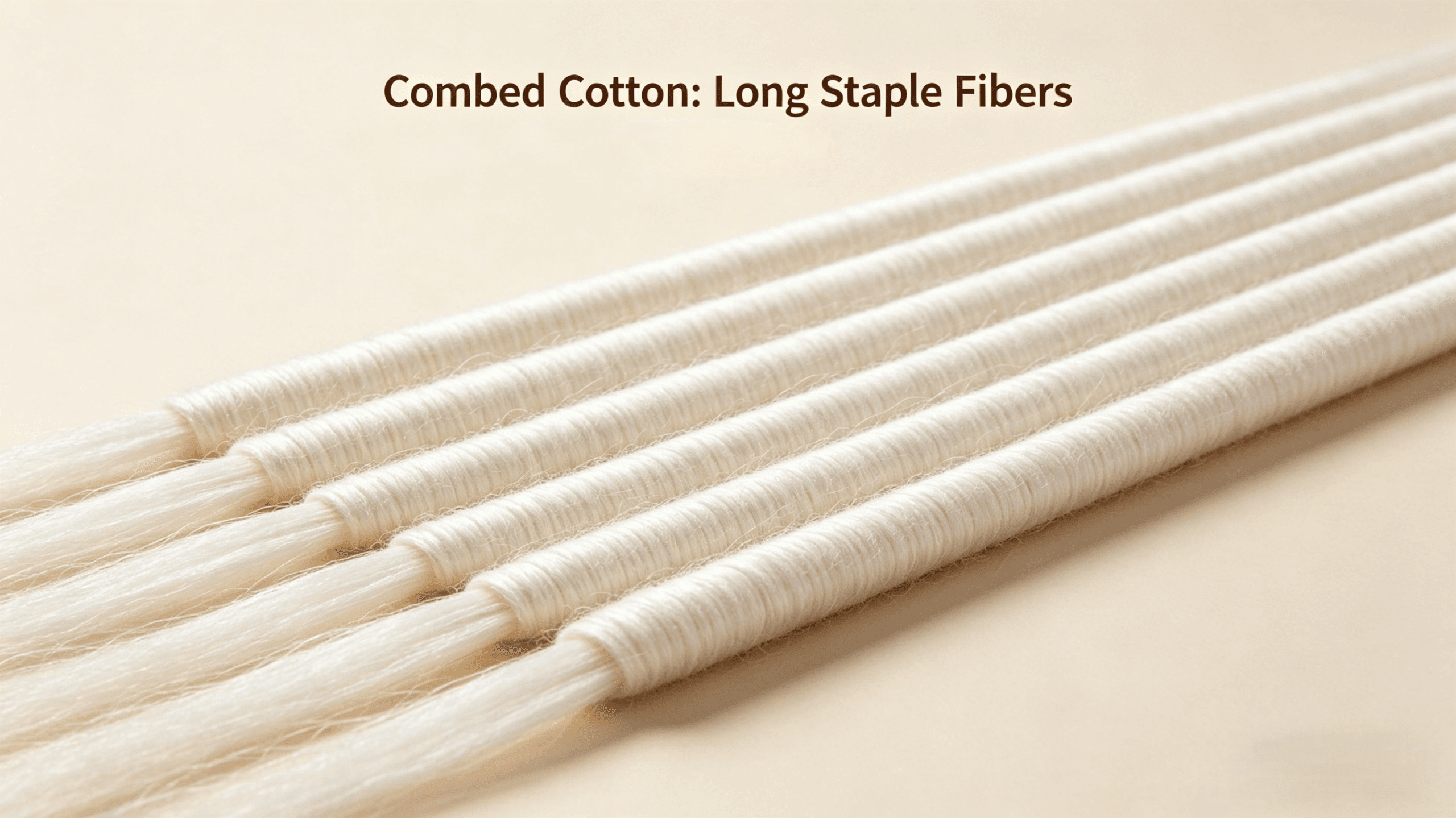
Made with long-staple combed cotton, which features uniform fiber length, low hairiness, and high strength. The smooth surface minimizes fiber entanglement.
- Advantages: Skin-friendly, breathable, resistant to pilling and deformation, low shrinkage
- Application: Basic tops, business knitwear, lightweight spring/summer knits
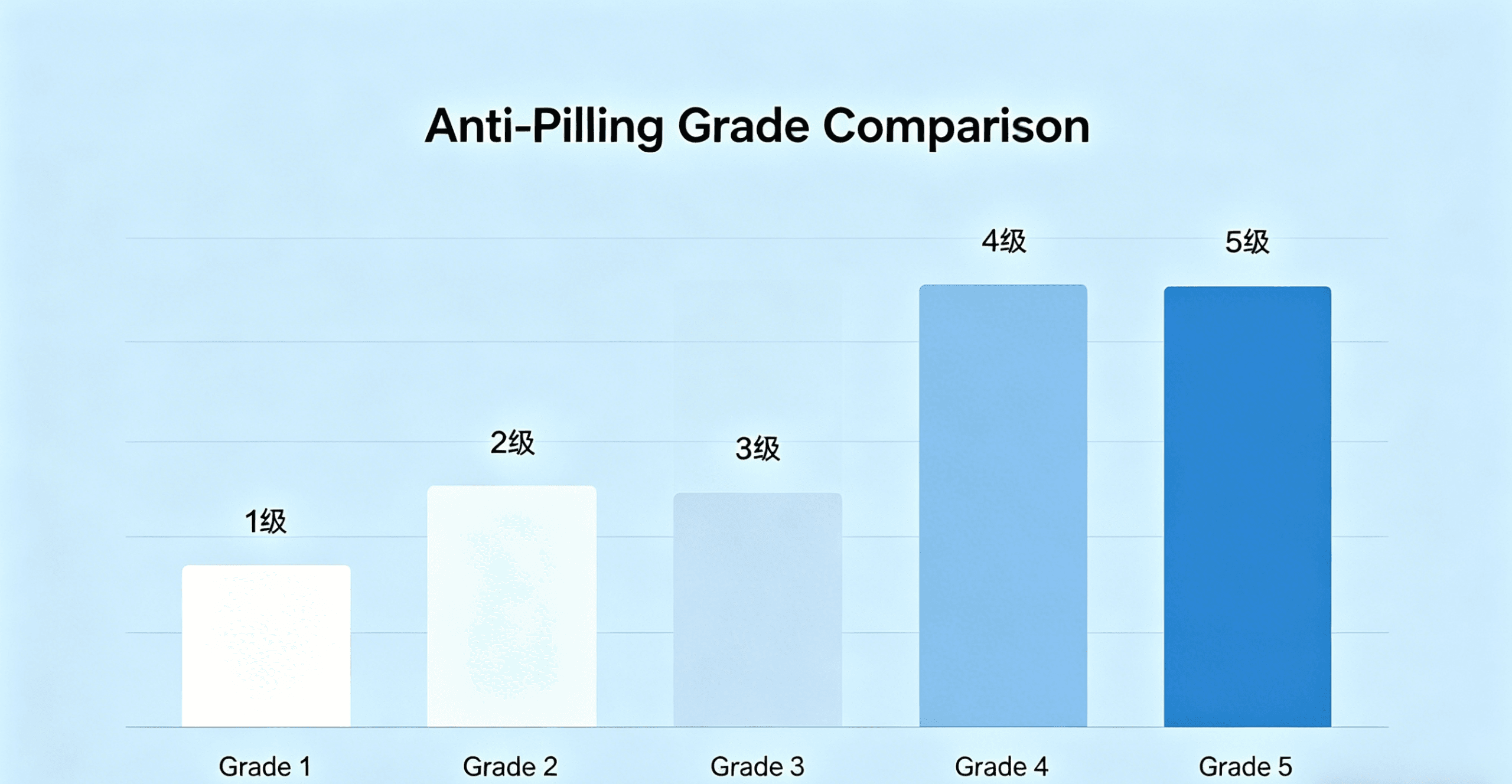
- Anti-pilling grade: Level 4–5 (ISO standard)
2) Worsted Wool / Merino Wool
Made from fine and long wool fibers, processed through worsting, singeing, and high-twisting to create a smooth surface with flat scales.
- Advantages: Soft, non-itchy, warm, and much more resistant to pilling than regular woolen wool
- Application: High-end business sweaters, casual luxury knits
- Anti-pilling grade: Level 3.5–4.5
3) Anti-Pilling Modified Acrylic / Polyester
Treated with chemical modification and special cross-section design for higher tenacity and less fiber shedding.
- Advantages: Cost-effective, wool-like bulkiness, wear-resistant and anti-pilling
- Application: fast fashion, mass-market styles, outdoor knitwear
- Anti-pilling grade: Level 3–4
4) High-Performance Anti-Pilling Blended Fabrics
The most popular and stable solution in the industry, balancing hand feel, cost, and durability:
- Cotton + Nylon / Polyester: improves abrasion resistance and anti-pilling performance
- Wool + Nylon / Anti-pilling Acrylic: retains wool softness while greatly reducing pilling
- Combed Cotton + High-Twist Acrylic: excellent softness and anti-pilling performance
- Anti-pilling grade: Level 4 and above, preferred for export orders
2. Three Key Processes That Determine Anti-Pilling Performance
Fiber Length
Long fibers > short fibers. Longer fibers are less likely to shed and pill. Combed and worsted materials form the foundation of anti-pilling performance.
Yarn Twist & Structure
High-twist yarns and 2-ply / 3-ply folded yarns hold fibers tightly, preventing them from escaping and forming pills.
- Finishing Technology
- Singeing: removes surface hairiness
- Anti-pilling chemical treatment
- Preshrinking & shaping: stabilizes fabric structure to reduce frictional pilling
Full finishing can improve anti-pilling grade by 1–1.5 levels.
3. Anti-Pilling Comparison of Different Fabrics
| Fabric Type | Anti-Pilling Grade | Features | Target Market |
|---|---|---|---|
| Regular Acrylic / Carded Cotton | Level 1–2 | Prone to pilling, low-cost commodity | Low-price bulk markets |
| Anti-Pilling Acrylic / Blends | Level 3–4 | Balanced cost-performance, durable | Fast fashion, supermarket brands |
| Combed Cotton / High-Twist Cotton | Level 4–5 | Low pilling, skin-friendly | Mid-to-high end, e-commerce brands |
| Worsted Merino Wool | Level 4–4.5 | Premium softness, excellent anti-pilling | European & American brands, high-end orders |
4. Professional Selling Points (For Product Descriptions)
Our sweaters use premium anti-pilling yarn with long-staple fibers and high-twist technology.
We apply combed cotton / worsted merino wool blends, combined with singeing and anti-pilling finishing, reaching pilling grade 4–5 (ISO standard).
The fabric stays smooth after repeated wearing and washing, free of bobbles, maintaining a clean and tidy appearance for long-term use.
-768x392.png)
-9-768x387.png)
-1-768x432.png)